With the arrival of the ultra low-cost Aakash tablet PC, the dynamics of the Indian tablet market have changed significantly. Prior to the Aakash tablet, the market already had various low-cost budget tablets such as Beetel's Magiq and Reliance 3G Tab. However, the Aakash tablet thumped everyone in the segment with its ultra low-price of Rs. 2,500. Other manufacturers are yet to announce an Aakash rival, which we certainly don't see coming in a near future. Until then, the Aakash has its way in the market.
Even before the Aakash tablet was unveiled, the device was already a serious topic of discussion across the world. Now, after its release - many just see the tablet as suitable for price-sensitive markets such as India, others believe the tablet isn't just good enough! Logic has been put behind both the aspects, and it is quite tough to say which side makes more sense - for in fact, both make sense. The low cost ensures everyone in the country will be eligible to lay hands on a tablet. And at the same time, people need not spend on the Aakash, if they can afford a better endowed tablet such as the iPad 2.

The Aakash tablet was released online in early December, and sold out in less than a week! The tablet was later put on sale on the online shopping site NCarry.com, which registered more than 1.4 million pre-orders for the Aakash tablet. However, DataWind evidently seemed unprepared for such a massive response. The absence of a proper customer support service channel has caused lot of problems for Aakash enthusiasts. In spite of providing a helpline number and recent e-mail support, most of the customers are still clueless about the status of their deliveries. Subsequently, DataWind has been at the receiving end of severe criticism, not just for its paltry support but also for several flip flops on booking and delivery dates, and rules. Adding to the confusion, DataWind revised the name of its tablets (Aakash is now UbiSlate 7 and Aakash 2 is UbiSlate 7+).
 Related Stories:


 If you want to hide your Disk Drive then you can easily do it with
command prompt trick.This trick works on all versions of windows i.e windows 98,xp,vista and windows 7.


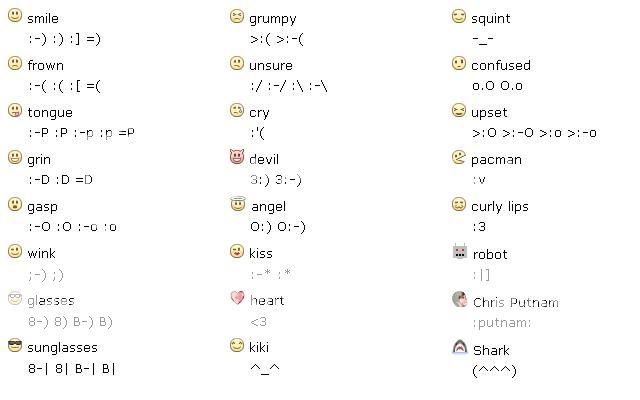
 We all use facebook but still alot of us are unware of how to use
smileys in chat.Some of us just think how the other person have sent a
smiley.Well it is very simple to send smileys in facebook chat.You have
to just enter a code and it will automatically convert into a smiley.I
am providing here a complete list of smiley codes that can be used on
facebook.Even if you already use or know some of the codes even then you
will find this list very useful becuase you will find a lot of new
codes